
Maximised Wheat Production Potential: A Farmer's Guide
May 2,2024
11:00 AM
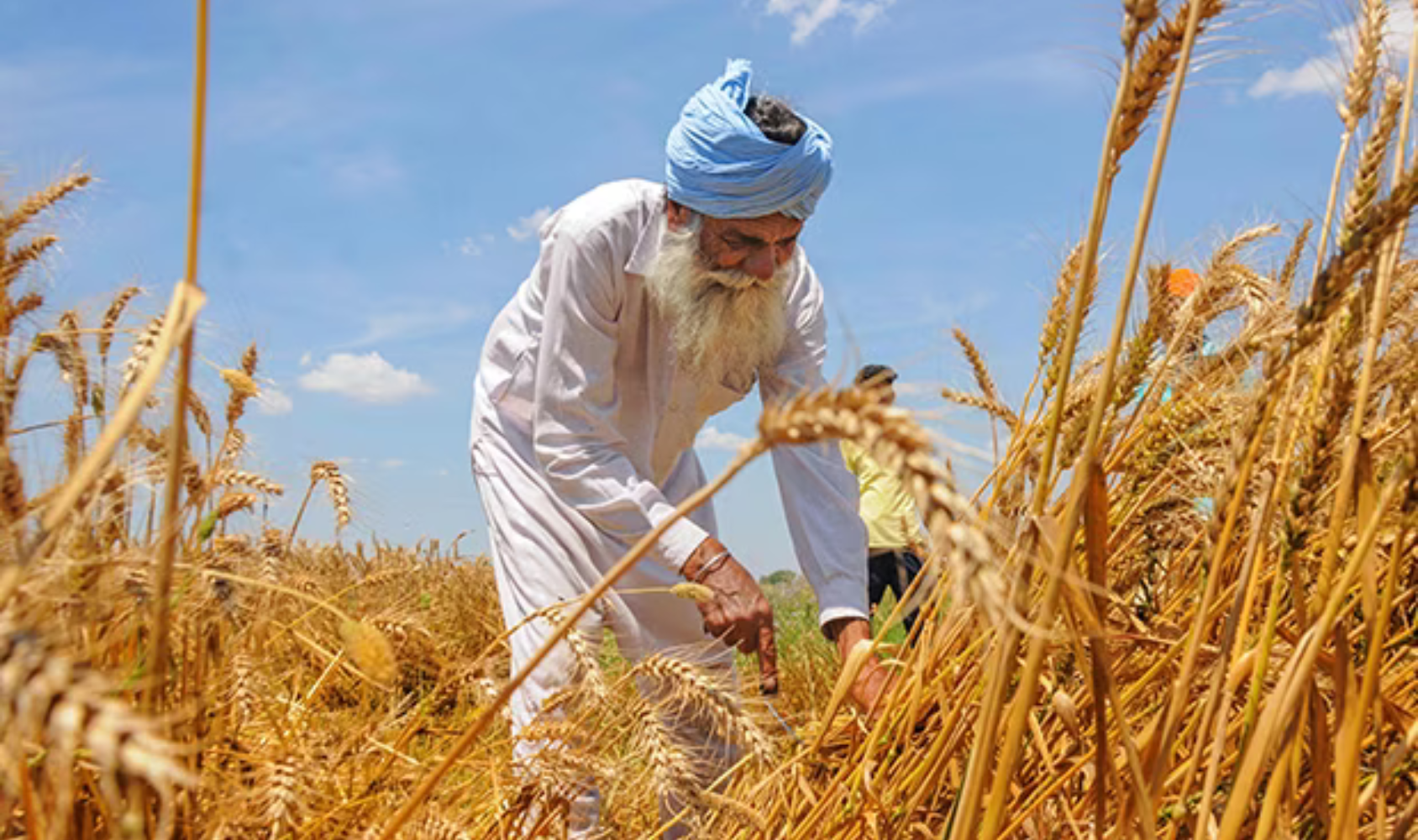
Wheat is one of the most important cereal crops globally, serving as a staple food for billions of people. For farmers, achieving optimal wheat production is not only essential for profitability but also for meeting the demands of a growing population. Here are some tips to help farmers maximize wheat yields and quality
Selecting the Right Variety:
Choosing the right wheat variety is crucial for successful cultivation. Consider factors such as climate, soil type, disease resistance, and end-use quality when selecting a variety. Consult with agricultural experts or local extension services to identify varieties that are well-suited to your specific growing conditions and market preferences.
Preparing the Soil::
Proper soil preparation sets the foundation for a successful wheat crop. Conduct soil tests to assess nutrient levels and pH, and then amend the soil as needed to optimize fertility. Ensure adequate drainage to prevent waterlogging, as wheat is sensitive to waterlogged conditions. Additionally, consider implementing conservation tillage practices to minimize soil erosion and improve soil health.
Planting at the Right Time:
Timing is critical when it comes to planting wheat. Aim to plant wheat when soil temperatures are cool enough to promote germination but before winter temperatures become too cold. In many regions, this means planting in the fall to allow the crop to establish before entering dormancy during the winter months. Planting too early or too late can result in poor establishment and reduced yields.
Optimizing Planting Density:
Achieving the optimal plant population is essential for maximizing wheat yields. Planting too densely can lead to competition for resources and increased susceptibility to diseases, while planting too sparsely can result in underutilization of available resources and reduced yields. Consult local recommendations or research trials to determine the ideal planting density for your chosen variety and growing conditions.
Managing Nutrient Levels:
Proper nutrient management is essential for promoting healthy wheat growth and maximizing yields. Test soil nutrient levels regularly and apply fertilizers accordingly to ensure that wheat plants have access to the nutrients they need throughout the growing season. Pay particular attention to nitrogen, phosphorus, and potassium, as these are essential nutrients for wheat production.
Implementing Pest and Disease Management Strategies:
Pests and diseases can significantly impact wheat yields if left unchecked. Implement integrated pest management (IPM) strategies to monitor and control pest populations while minimizing reliance on chemical pesticides. Utilize cultural practices such as crop rotation, sanitation, and resistant varieties to manage disease pressure effectively.
Monitoring and Irrigation:
Regular monitoring of crop health and growth throughout the growing season is essential for identifying and addressing potential issues promptly. Monitor soil moisture levels and irrigate as needed to ensure that wheat plants receive adequate water, especially during critical growth stages such as tillering and grain filling. Efficient irrigation practices can help optimize water use efficiency and maximize yields.
Harvesting and Storage:
Harvest wheat at the optimal stage of maturity to maximize grain quality and yield. Monitor moisture levels closely to ensure that wheat is harvested at the appropriate moisture content to prevent quality loss and minimize storage issues. Implement proper post-harvest handling and storage practices to maintain grain quality and minimize losses due to pests, moisture, and spoilage.
Maximizing wheat production requires careful planning, attention to detail, and a proactive approach to crop management. By selecting the right variety, preparing the soil, planting at the right time and density, managing nutrients, implementing pest and disease management strategies, monitoring crop health, and optimizing harvest and storage practices, farmers can achieve higher yields and quality, ensuring the success and sustainability of their wheat crops.