

Our Blogs

Revolutionizing Indian Agriculture: The Crucial Role of Technology
In the heart of India's agrarian landscape, a silent revolution is underway, one that promises to reshape the way we perceive and practice agriculture. This transformation, driven by technological advancements, marks a pivotal moment in the country's agricultural history. Gone are the days when traditional farming methods sufficed to meet the burgeoning demands of a growing population. Today, with a pressing need for sustainability, efficiency, and productivity, technology emerges as the cornerstone of agricultural progress.
Unveiling the World of Insecticides: Exploring Solutions for Effective Pest Control
Insects, though minuscule in size, wield an immense power to wreak havoc in agriculture, homes, and industries. From damaging crops to spreading diseases, their impact is far-reaching and significant. Hence, understanding and effectively managing insect populations are crucial for maintaining ecological balance and ensuring human well-being. This article delves into the realm of insecticides, exploring the diverse solutions available for combating these relentless pests. Insecticides, as the name suggests, are chemicals designed to eliminate or control insect populations.


Taking Flight: How Drone Technology is Revolutionizing Agriculture
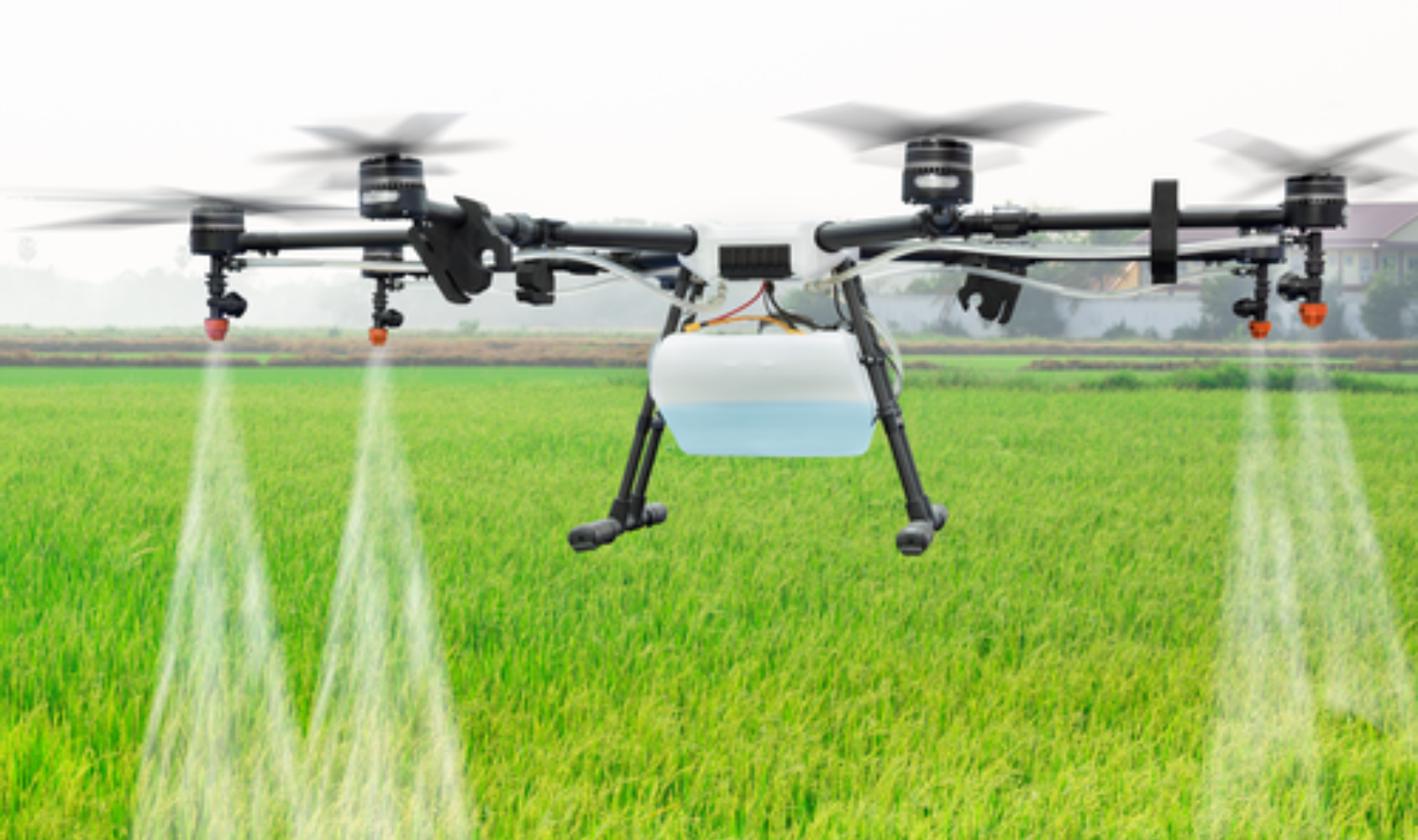
In recent years, advancements in technology have brought about transformative changes in various industries, and agriculture is no exception. One of the most groundbreaking innovations revolutionizing modern farming practices is the use of drone technology. Drones, also known as unmanned aerial vehicles (UAVs), have emerged as powerful tools in agriculture, offering farmers new capabilities to monitor crops, optimize resource management, and increase yields. In this blog, we will explore the role of drone technology in agriculture and how it is reshaping the future of farming..
Addressing the Necessity of Pesticides and Fertilizers in Agriculture
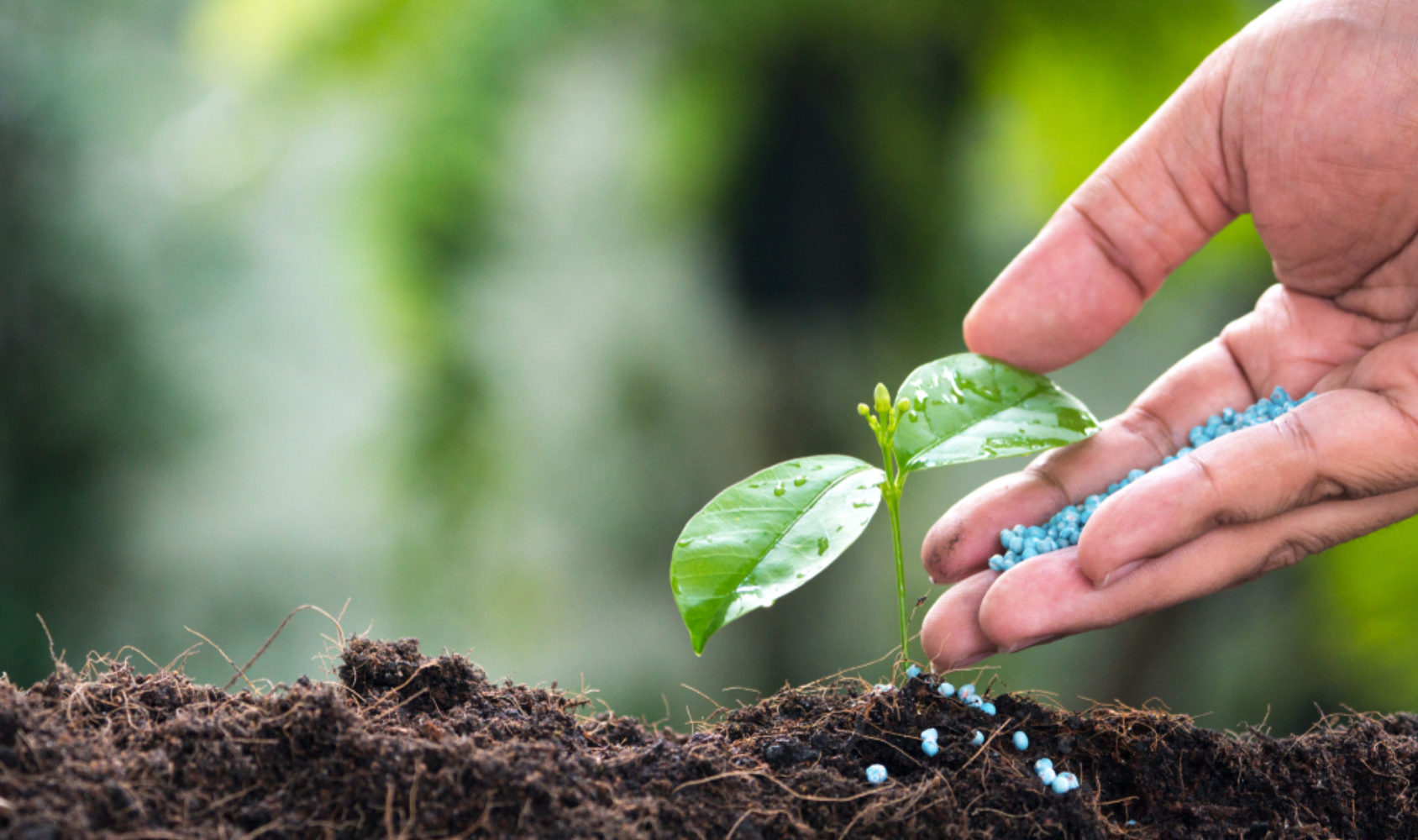
In the ongoing debate surrounding modern agricultural practices, the incessant usage of pesticides and fertilizers remains a contentious issue. While concerns about their environmental impact and potential health risks persist, it's essential to acknowledge the crucial role these substances play in ensuring global food security and sustainable agriculture.
Are Drones Cost-Efficient in Agriculture?
In recent years, drones have soared into the agricultural landscape, promising to revolutionize farming practices. These unmanned aerial vehicles (UAVs) offer a range of capabilities, from crop monitoring to precision spraying, with the potential to improve efficiency and yield. But are drones truly cost-efficient in agriculture?
Maximised Wheat Production Potential: A Farmer's Guide
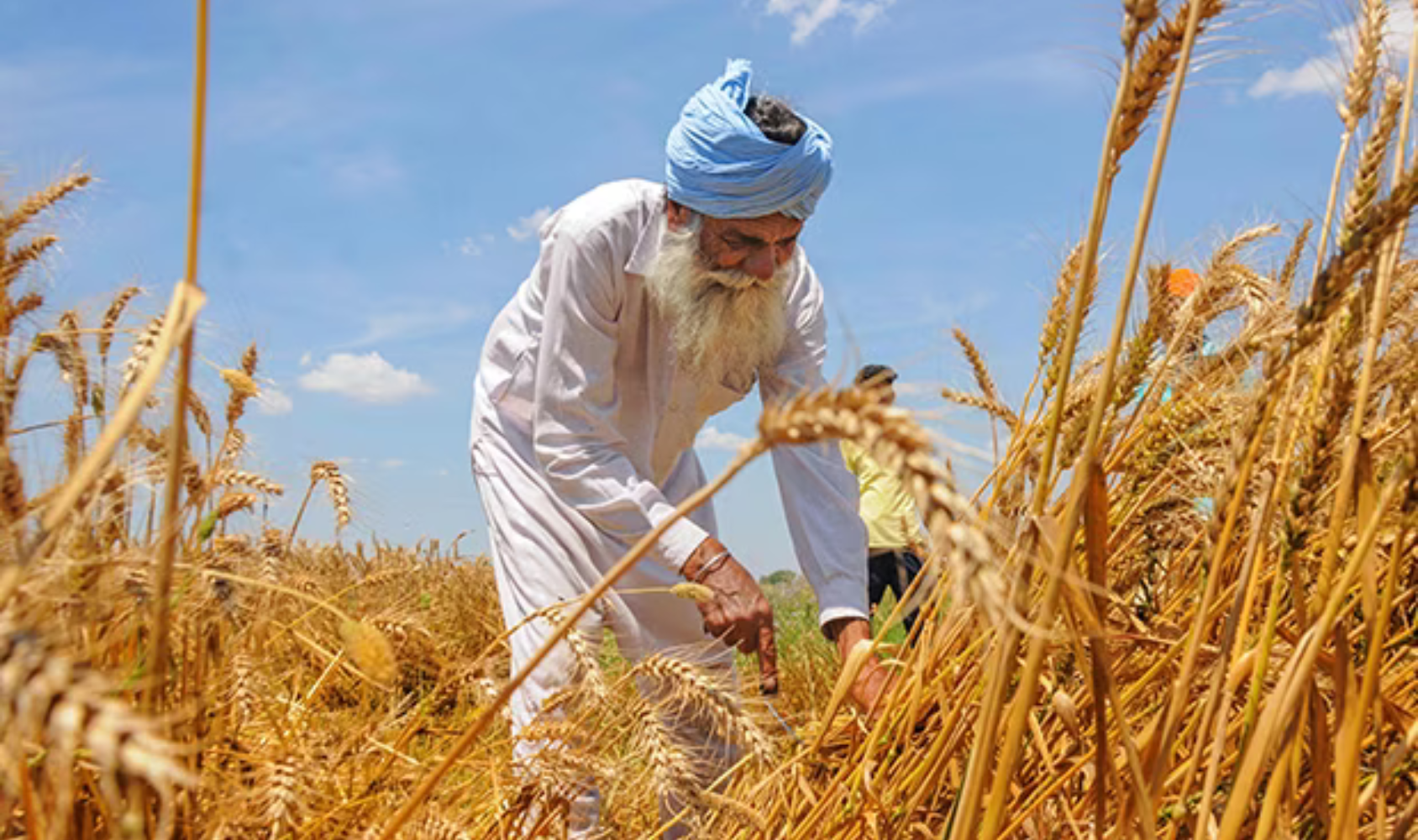
Wheat is one of the most important cereal crops globally, serving as a staple food for billions of people. For farmers, achieving optimal wheat production is not only essential for profitability but also for meeting the demands of a growing population. Here are some tips to help farmers maximize wheat yields and quality
Make in India
Empowering Indian Agriculture: Morash's Commitment to 'Make In India'
At Morash, we are proud supporters of the Make in India campaign, a national initiative aimed at promoting indigenous manufacturing and innovation across various sectors, including agriculture. As a leading provider of crop protection products, our mission aligns perfectly with the goals of this campaign.
Our commitment to developing and delivering cutting-edge crop protection solutions underscores our dedication to advancing agricultural practices in India. By leveraging our expertise in research and development, we empower farmers to optimize productivity, profitability, and sustainability on their farms.
Through strategic partnerships with farmers, researchers, and industry stakeholders, we drive positive change in agriculture by promoting the adoption of innovative and locally-produced solutions. By sourcing raw materials domestically and manufacturing our products within the country, we contribute to the growth of the Indian economy and support local businesses.
Furthermore, our emphasis on sustainability and environmental stewardship aligns with the Make in India campaign's focus on promoting eco-friendly manufacturing practices. We are committed to reducing the environmental impact of agriculture by providing farmers with sustainable and efficient crop protection solutions that minimize the use of harmful chemicals and promote biodiversity.
In essence, Morash is proud to be a part of the Make in India initiative, and we remain committed to our mission of fostering innovation, sustainability, and prosperity in Indian agriculture. Together, we can build a brighter future for farmers and ensure food security for generations to come.